THE PARK BENCH SCHOLAR
FROM HOMELESS TO IVY LEAGUE
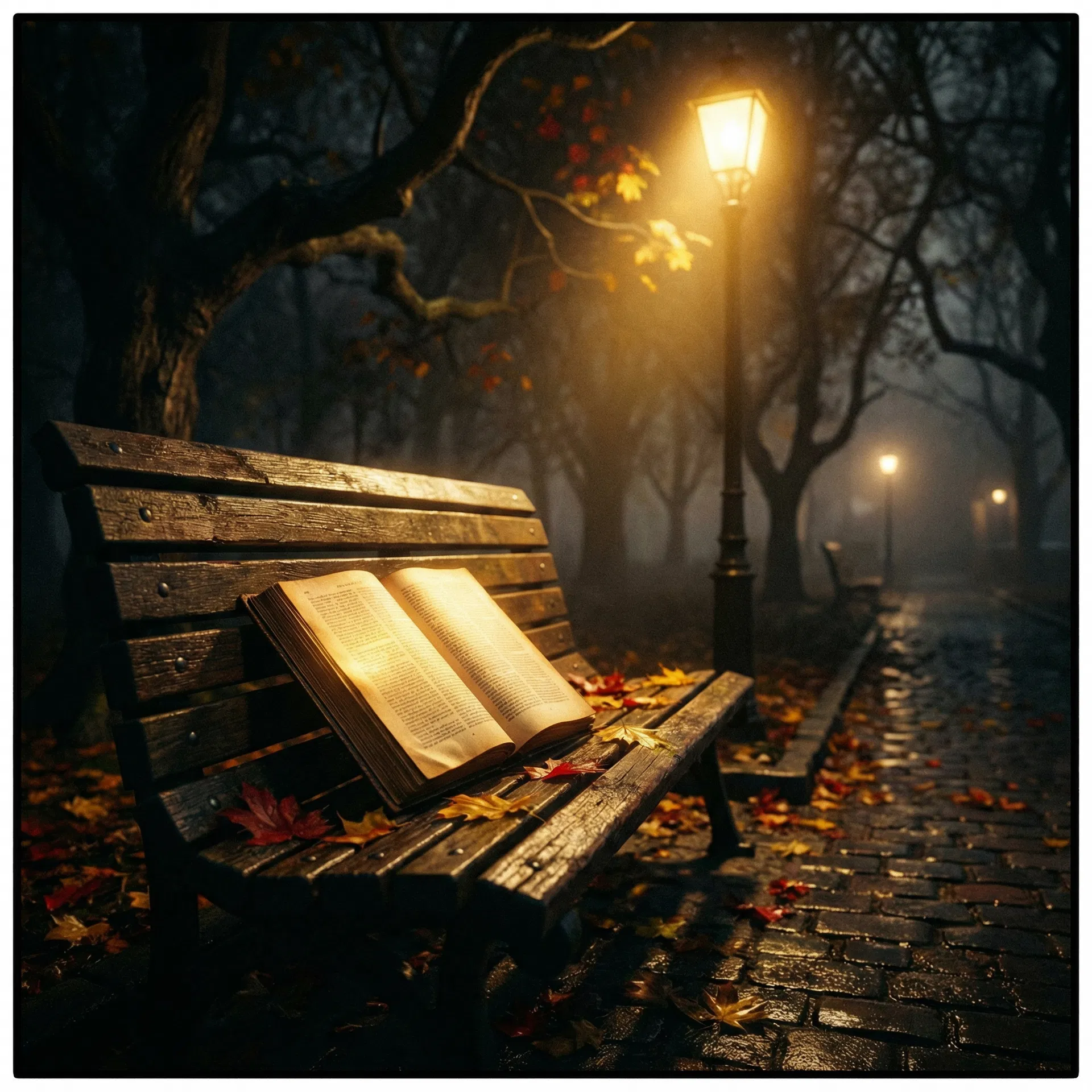
The world had shrunk to the size of a park bench. At fourteen, Leo's universe, once a sprawling map of adolescent dreams and suburban comforts, had imploded, leaving him with nothing but the cold, hard slats of a public bench and a backpack containing everything he owned. The car accident that took both his parents was a sudden, violent rupture in the fabric of his existence, a before-and-after moment that divided his life into two irreconcilable halves.
The foster care system was a revolving door of temporary homes and temporary affections. Leo, a quiet, introspective boy with a fierce intelligence that burned behind his dark eyes, never quite fit in. He was too proud to beg for love, too wounded to trust it when it was offered. After a series of placements that ranged from indifferent to hostile, he made a decision that would define the rest of his life: he chose the park bench.
It was, by any objective measure, a terrible decision. He was a child, alone, sleeping in a public park, vulnerable to the elements and the predators of the night. But for Leo, it was a decision born of a desperate, primal need for autonomy. He would rather face the discomfort of the elements than the discomfort of being an unwanted guest in someone else's home. He chose to be #UNCOMFORTABLE on his own terms.
The library became his sanctuary. Every morning, before the sun had fully risen, Leo would pack his meager belongings into his backpack and walk the six blocks to the public library. He would be there when the doors opened, a silent, solitary figure who claimed a corner table as his own. He did his homework there, he studied there, he read voraciously, consuming books on every subject imaginable. The library was his classroom, his living room, his refuge from the chaos of his life.
School was a different kind of battlefield. Leo arrived each morning in clothes that were clean but worn, his eyes heavy with the fatigue of a night spent on a park bench. He never spoke of his circumstances, never sought pity or special treatment. He simply showed up, every single day, and he excelled. His teachers, initially puzzled by this quiet, brilliant boy who seemed to materialize from nowhere each morning, soon recognized his extraordinary potential.
The winters were the hardest. The biting cold would seep through his sleeping bag, numbing his fingers and toes, making sleep a fitful, shivering ordeal. On the worst nights, he would walk to the 24-hour laundromat and sit in the warmth, pretending to wait for a load of laundry that didn't exist. He would pull out his textbooks and study, the hum of the dryers a lullaby that was infinitely more comforting than silence.
Despite the unimaginable hardships, Leo's academic performance was nothing short of extraordinary. He maintained a perfect 4.0 GPA, not through any innate genius, but through a relentless, almost superhuman work ethic. He understood, with a clarity that most adults never achieve, that education was his only way out. It was his lifeline, his ladder, his bridge to a future that was not defined by loss and deprivation.
On the day Leo was announced as the school's valedictorian, the auditorium erupted in applause. His classmates, most of whom had no idea about the circumstances of his life, cheered for the quiet boy who had consistently topped every class. But it was the teachers, the librarians, the few adults who knew the truth, who wept. They wept for the boy who had slept on a park bench and walked to the library every day. They wept for the sheer, staggering force of his will.
The scholarship offers came flooding in. Every Ivy League school in the country wanted Leo. Harvard, Yale, Princeton, Columbia — they all extended their hands, offering him a seat at the table he had earned through years of unimaginable sacrifice. He chose Harvard, not for its prestige, but because it felt like the furthest possible distance from that park bench.
On his first night in his Harvard dorm room, Leo sat on the edge of his bed, a real bed with clean sheets and a warm comforter, and he cried. He cried for the boy he had been, for the parents he had lost, for the cold nights and the empty stomach and the loneliness that had been his constant companion. And then he dried his eyes, opened his textbook, and got to work. Because Leo understood something that most people spend a lifetime trying to learn: that the feeling of being #UNCOMFORTABLE is not a curse. It is a gift. It is the fire that forges steel.